A non-return function has a specific role
A check valve permits flow in its intended direction and resists reverse flow. Condensate systems may use check valves where the system design requires this function. The correct location and type depend on operating conditions and the connected equipment. A check valve does not automatically solve waterhammer, condensate stall or an incorrectly designed return line.
Do not confuse valve families
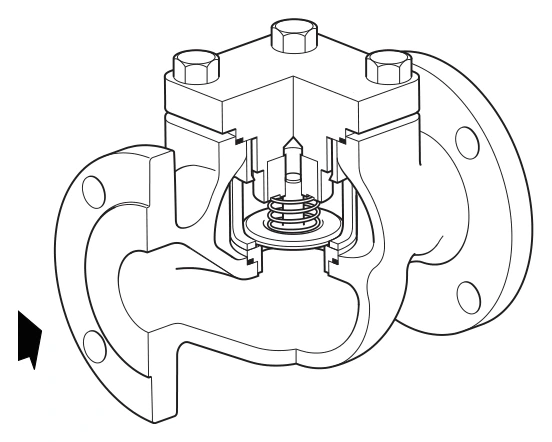
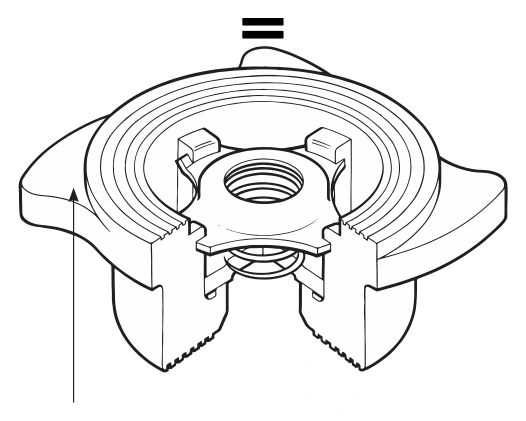
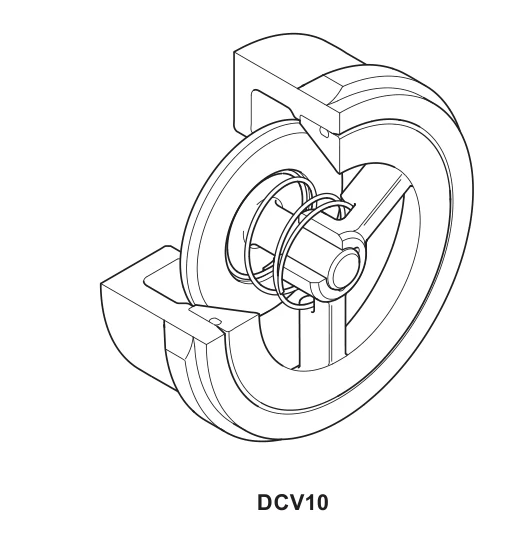
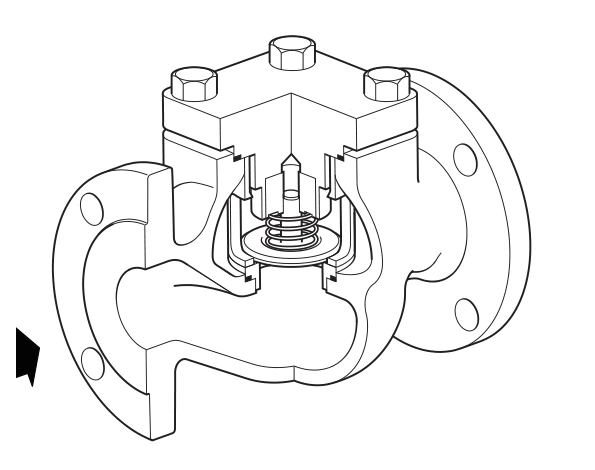
DCV references generally identify disc check-valve families; LCV references identify lift check-valve families. These should not be described as butterfly isolation valves. Different families and sizes can have different materials, sealing arrangements and installation requirements. Read the complete model reference and technical sheet rather than choosing by a generic catalogue heading or the shape of the body.
Consider the pressure available
The operating pressure difference, flow range and the selected spring or seating configuration can affect suitability. Include the normal and limiting conditions in the enquiry. Where a valve is associated with a trap or pump, provide the surrounding equipment references as well. The system review should consider pressure loss and the pressure available to move the condensate.
Confirm fitting and orientation
Wafer and inline configurations have different installation interfaces. Confirm flange compatibility, pipe size, face-to-face dimensions and the manufacturer’s permitted mounting orientation. State whether the service is condensate, steam, water, air or another fluid. The same nominal connection dimension does not establish that two valves have equivalent operating performance or can be exchanged without review.
Make the order traceable
Request the exact DCV or LCV reference, material, size, spring or seal option and applicable documentation. For an existing installation, provide clear nameplate and pipework photographs. STV can include the check valve in a wider condensate-return enquiry and distinguish the original requested configuration from any alternative requiring engineering approval.